We build apps
On the web, on iPhone and iPad, on Android, and on a watch. Each one with a written brief before the first screen, tests from the first commit, and an answer to the question most builds skip: who runs it next year?
What we've built
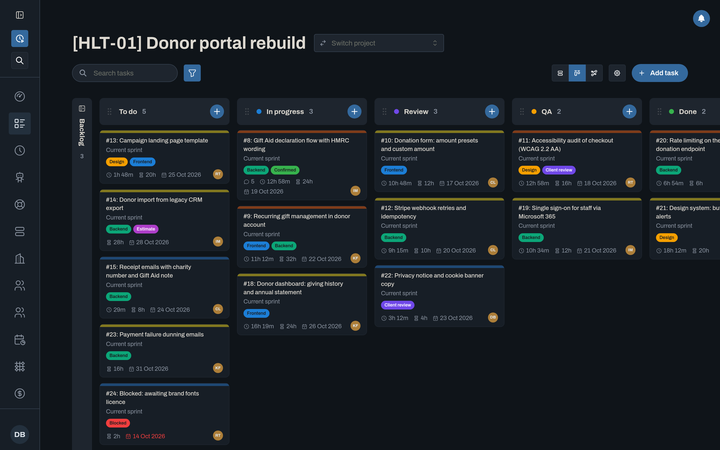
Siftware Dev, for the web
Siftware Dev is projects, time, scheduling, CRM and support, all in one app. We built it, we run Siftware on it, and every release goes through the same test suite before it goes near production.
It's our own, which is the point. We live with every decision we made in it.
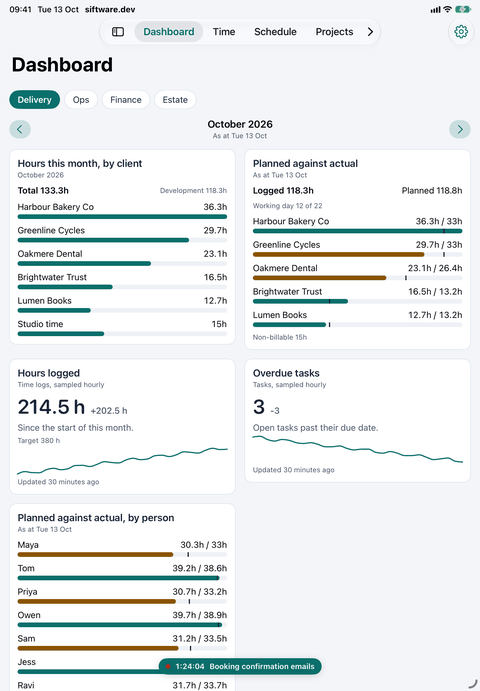
Siftware Dev, for iPhone and iPad
A native app. Start a timer on your phone, walk into a meeting, and it's still running when you sit back down at your laptop. Lose signal on the train and you keep working: it syncs when you're back online.

The Permaculture Academy, for Android
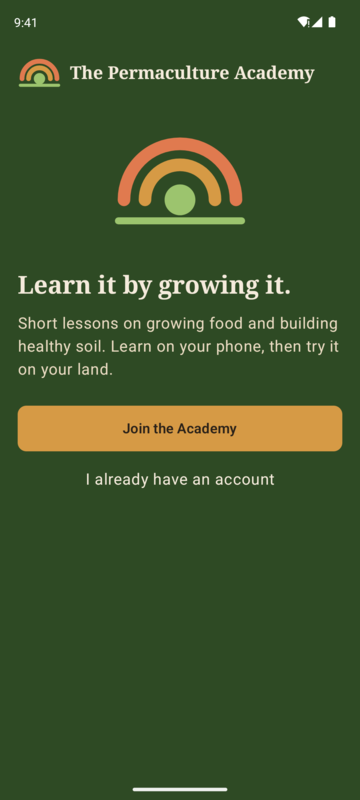
Short lessons on growing food, for people learning on a cheap phone where data costs money. Lessons are audio and slides, saved to the phone to come back to.
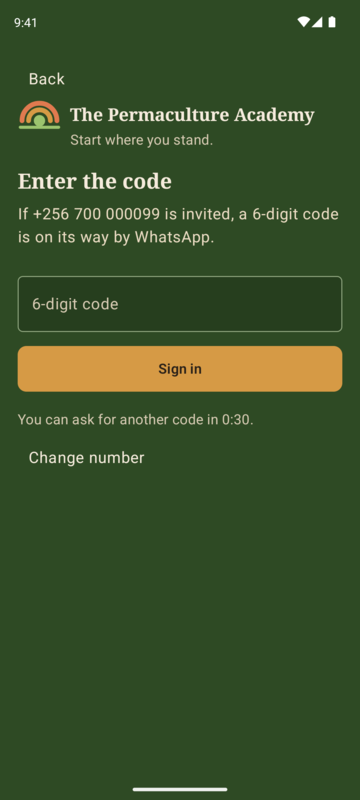
Behind it is a backend we built for the job: members, invitations, lessons and sign-in, made to work over slow and patchy connections. Sign-in is a code sent by WhatsApp, through our own WhatsApp integration, so there's no password to forget and no email address needed.
Its website, permaculture.ac, is built the same way: one page that loads quickly on a cheap phone, with a sign-up form that works without JavaScript.
More on the way
We've got more cooking, and we'll show them here once they're released.
We write it down first
Ever been handed an app that does exactly what the tickets said and nothing anybody needed? Us too. It's usually a brief problem, not a code problem.
So before we build, we write:
- What it's for. The job, in a page. Who uses it and what they do on a Tuesday afternoon.
- What "done" means. Agreed with you, not assumed by us.
- The design. Approved before screens are built, because moving a box in a mock-up costs minutes and moving it in code costs days.
Then we build, with tests running from the first commit. That's what lets us go quickly without it falling over the week after launch.
Building with AI
We've built our own apps with AI in the loop for two years. Used carefully, it makes a budget go further, and it's part of why a small team can build a whole system.
It doesn't replace an experienced developer. Every change starts with a test, and a person reads it before it ships.
Who runs it afterwards
Every build comes with a plan for who runs it once it's live: us, your own team, or somebody else you choose. If it's somebody else, we hand it over properly, with the code, the docs and a working deploy.
Got an app in mind?
If you'd like to see if Siftware is a good fit for you and your project, please don't hesitate to get in touch.